
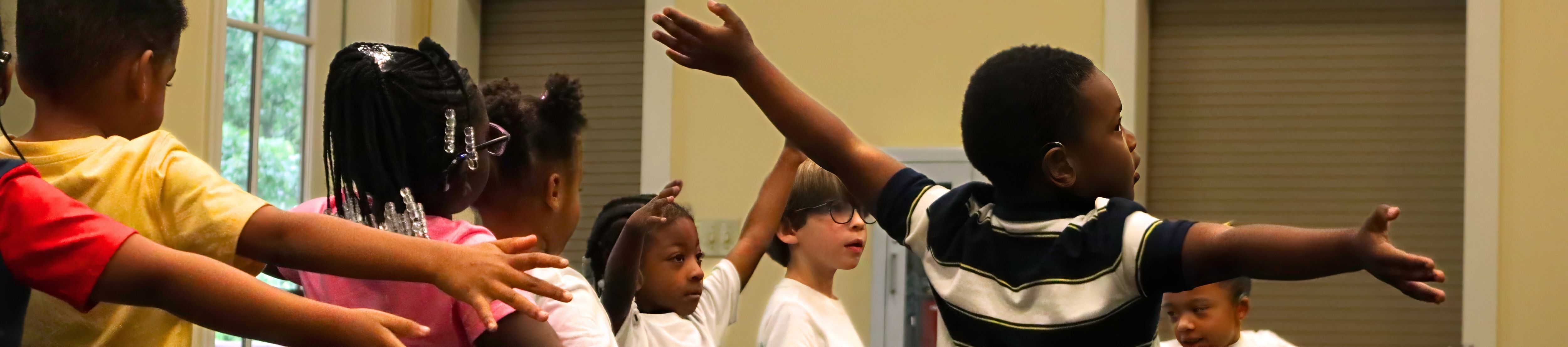
The preschool years are some of the most important years in a child’s development. Between birth and age five, a child’s brain is rapidly building the foundation for language, communication, social skills, and future academic success. For children who are deaf or hard of hearing, these early years are especially critical.
At Memphis Oral School for the Deaf (MOSD), we often hear parents ask, “Is my child ready for preschool?” The answer may be simpler than you think.
Preschool is about much more than learning letters and numbers. It is about learning how to communicate, interact with others, follow routines, solve problems, and build confidence. Every conversation, story time, classroom activity, and shared experience creates opportunities for language growth.
Why Preschool Matters
Research consistently shows that children learn language best through meaningful interactions with caring adults and peers. Preschool provides countless opportunities for these interactions throughout the day.
Children learn new vocabulary while playing in dramatic play centers, listening to stories, participating in group activities, and exploring the world around them. These experiences help strengthen listening skills, language comprehension, expressive language, and social communication.
For children with hearing loss, a language-rich environment can make a tremendous difference in their long-term success.
Building More Than Academic Skills
Many parents think preschool is primarily about preparing children academically. While early literacy and foundational learning are important, preschool also helps children develop:
- Confidence and independence
- Social skills and friendships
- Listening and attention skills
- Problem-solving abilities
- Emotional regulation
- Communication skills
These foundational skills help children enter kindergarten ready to learn and participate successfully in the classroom.
Signs Your Child May Be Ready for Preschool
Every child develops at their own pace, but common signs of preschool readiness include:
- Interest in interacting with other children
- Ability to participate in simple routines
- Curiosity about books and learning
- Growing communication skills
- Increased independence with daily tasks
- Ability to separate from caregivers for short periods
Remember, preschool readiness is not about perfection. Preschool is where many of these skills continue to develop.
The MOSD Difference
At MOSD, our classrooms are intentionally designed to support listening, spoken language, literacy, and social development. Our team of teachers, speech-language pathologists, audiologists, and support staff work together to ensure every child receives the support they need to reach their full potential.
Families are essential partners in this process, and we are honored to walk alongside them throughout their child’s journey.
Looking Ahead
The preschool years provide an incredible opportunity to build a strong foundation for lifelong learning. Through early intervention, family involvement, and language-rich educational experiences, children with hearing loss can develop the skills and confidence needed for future success.
Interested in learning more about MOSD’s preschool program? Contact us today to schedule a visit and discover how we help children with hearing loss learn, grow, and thrive.