
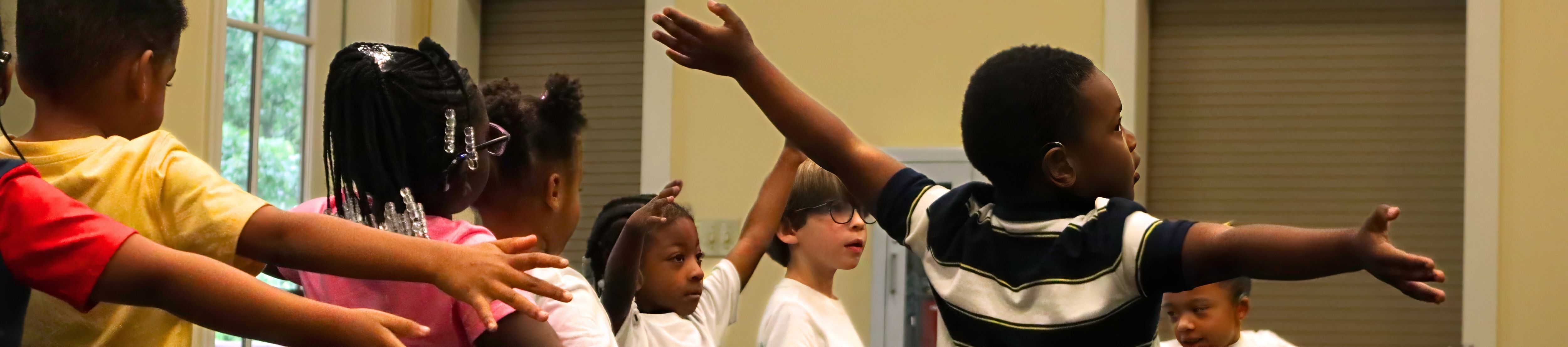

January at Memphis Oral School for the Deaf was filled with playful winter themes, cozy classroom celebrations, and rich listening and spoken language opportunities woven into every lesson. Each thematic unit—Let It Snow, Winter Clothes, Arctic Animals, and Birds—was intentionally designed to support auditory access, vocabulary development, comprehension, expressive language, and social communication.
At MOSD, every activity is more than fun—it’s a tool to help children listen, learn, and talk.
“Let It Snow!” – Homemade Ice Cream & Sensory Language Learning
Our “Let It Snow” unit allowed students to explore winter concepts through hands-on sensory activities—especially while making homemade ice cream.
Children practiced:
- auditory comprehension by following step-by-step spoken directions
- sound discrimination by listening for key words like shake, stop, pour, freeze
- vocabulary development through temperature and texture words
- sequencing and retelling, using complete sentences to explain how the ice cream was made
Sensory experiences like this help children map new vocabulary to real actions and build meaning through listening, not just visuals.
Winter Clothes – Hot Chocolate & Pajama Day
The Winter Clothes unit emphasized functional vocabulary children need at home and in the community.
Students practiced:
- identifying clothing items and matching them to weather conditions
- understanding spatial concepts like under, over, on, off
- learning action words like zip, snap, button, pull
- following multi-step directions related to dressing routines
Hot Chocolate & Pajama Day provided even more language opportunities. Students:
- described textures (soft, fuzzy, warm)
- made polite requests using complete spoken sentences
- practiced conversational turn-taking with peers
- used descriptive language to talk about their pajamas
These activities help children build independence and verbal confidence in daily routines.
Arctic Animals – Bring a Stuffed Animal, Build a Story
The Arctic Animals unit helped children expand their vocabulary and descriptive language while learning about penguins, polar bears, seals, and more.
Students practiced:
- naming and classifying animals
- answering WH-questions (What does it eat? Where does it live?)
- using adjectives to describe size, color, textures, and movement
- building simple stories about their stuffed animal
Bringing a favorite stuffed animal to school encouraged:
- expressive language
- social communication
- confidence when speaking in front of small groups
- emotional connection that motivates children to talk more
These activities help children transfer their listening skills into real expressive communication.
Birds Unit – Sound Awareness and Movement
Our Birds Unit incorporated movement, sound exploration, and outdoor listening activities.
Students worked on:
- auditory discrimination by listening for different bird sounds
- sound identification (“Do you hear a bird? What kind?”)
- action words like fly, hop, flap, chirp
- understanding and using descriptive vocabulary (colors, sizes, shapes)
- sequencing the steps a bird takes to build a nest
Outdoor listening activities were especially powerful for children using hearing aids or cochlear implants, helping them practice locating sounds, identifying direction, and listening in non-classroom environments.
How These Units Strengthen Listening & Spoken Language All Month Long
Across all four themes, teachers, SLPs, and audiologists embedded key LSL strategies into daily activities:
- Auditory-first instruction
- Consistent device checks and ensuring children could hear them
- Acoustic highlighting to emphasize new vocabulary
- Repetition and rephrasing to support comprehension
- Expanding children’s utterances (adding grammar + vocabulary)
- Open-ended questions that encourage expressive language
- Social communication practice with peers and adults
- Real-world listening environments (outdoors, movement, group activities)
Every winter-themed activity became a purposeful opportunity to strengthen auditory access and expressive language—two pillars of MOSD’s mission.
Looking Ahead
February will be filled with exciting, language-rich themes designed to spark imagination and support listening and spoken language goals. Our classrooms will explore:
- Space & Superheroes
- Dinosaurs & Valentines
- Fruits & Vegetables
- In the Pond
We look forward to another month of joyful learning, expressive language practice, and meaningful listening experiences.
Thank you for supporting MOSD and helping every child learn to listen, learn, and talk!